
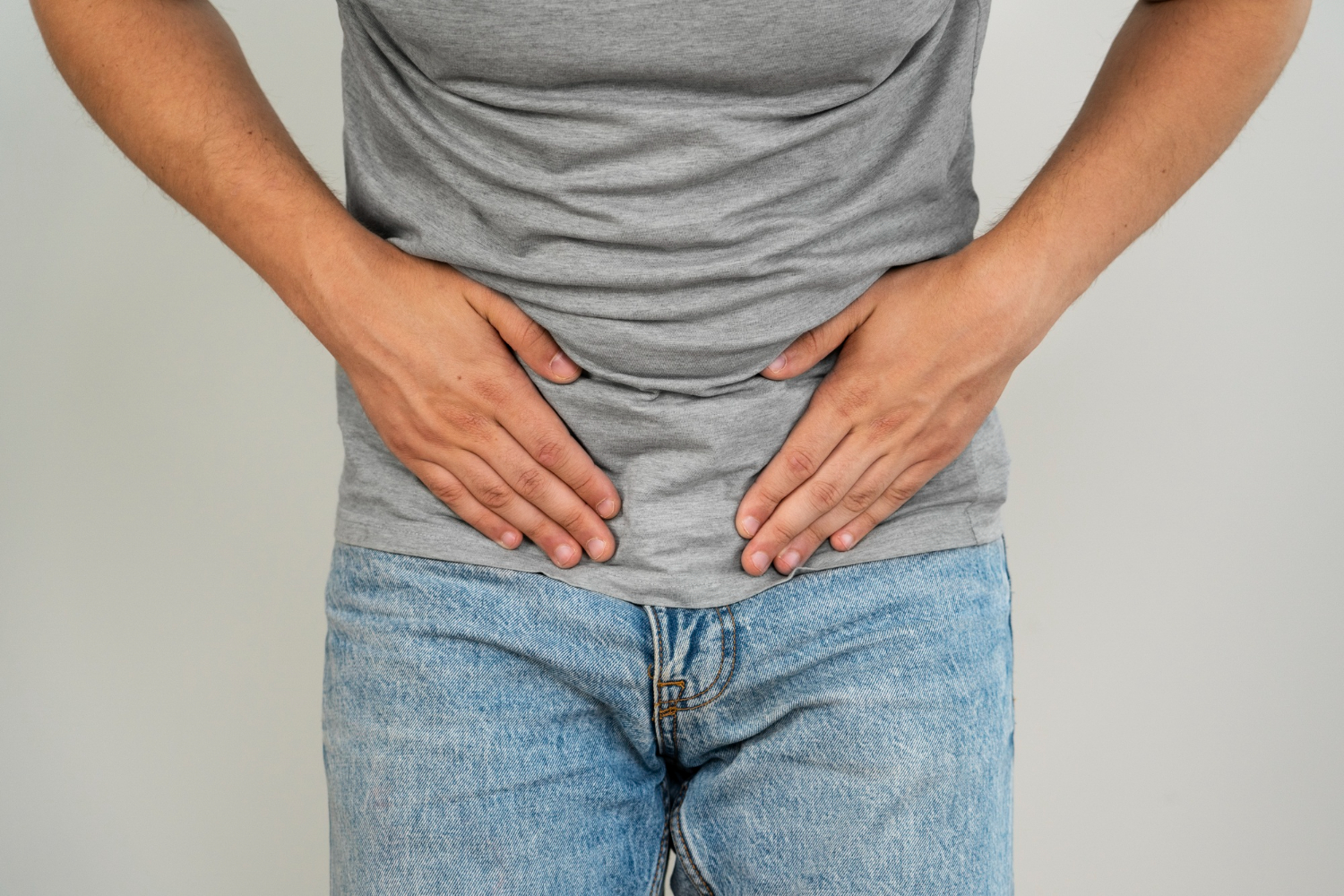
Prostate and urinary disorders can affect men at different stages of life. Conditions involving the prostate, bladder and urinary passage may cause difficulty passing urine, frequent urination, weak urine flow or incomplete bladder emptying. These symptoms can interfere with daily activities and sleep, making timely medical evaluation important.
Dr. Akash Shinde provides specialized urological evaluation and surgical management for prostate conditions and urinary disorders. His clinical expertise includes procedures such as Transurethral Resection of the Prostate (TURP), prostate enucleation and other endourological treatments.
The prostate is a small gland located below the bladder and surrounding the urethra. Enlargement or other prostate conditions can affect the normal flow of urine.
Benign Prostatic Hyperplasia (BPH), commonly known as an enlarged prostate, is a frequent cause of urinary symptoms in older men. Prostate-related symptoms may include:
Frequent urination, especially at night
Weak or interrupted urine stream
Difficulty starting urination
Feeling that the bladder has not emptied completely
Sudden or urgent need to urinate
Dribbling after urination
Other prostate conditions, including prostate cancer, may require separate investigations and specialist management.
A proper assessment helps identify the underlying cause of urinary symptoms. Depending on the patient’s condition, evaluation may include:
Medical history and physical examination
Urine testing
Ultrasound examination
Assessment of bladder emptying
Prostate-related investigations
Additional imaging or diagnostic procedures when required
Treatment is selected according to the diagnosis, symptom severity and overall health of the patient.
Transurethral Resection of the Prostate (TURP)
TURP is an endoscopic surgical procedure used to remove obstructive prostate tissue in selected patients with BPH. A specialized instrument is introduced through the urethra, avoiding an external surgical incision.
Prostate Enucleation
Enucleation is a surgical technique used to remove obstructive prostate tissue. The procedure may be considered for suitable patients depending on prostate size, anatomy and clinical assessment.
Not all urinary symptoms are caused by prostate enlargement. Bladder dysfunction, urethral strictures, infections and other urological conditions can produce similar symptoms. Identifying the actual cause is essential before deciding on treatment.
Dr. Akash Shinde focuses on accurate evaluation and appropriate medical or surgical management for prostate and urinary conditions.
Persistent urinary difficulty, blood in the urine, recurrent urinary infections or inability to empty the bladder should be evaluated by a urologist.
Consult Dr. Akash Shinde for specialized assessment and treatment guidance for prostate and urinary disorders.
Book your consultation today and take the next step toward better health.