
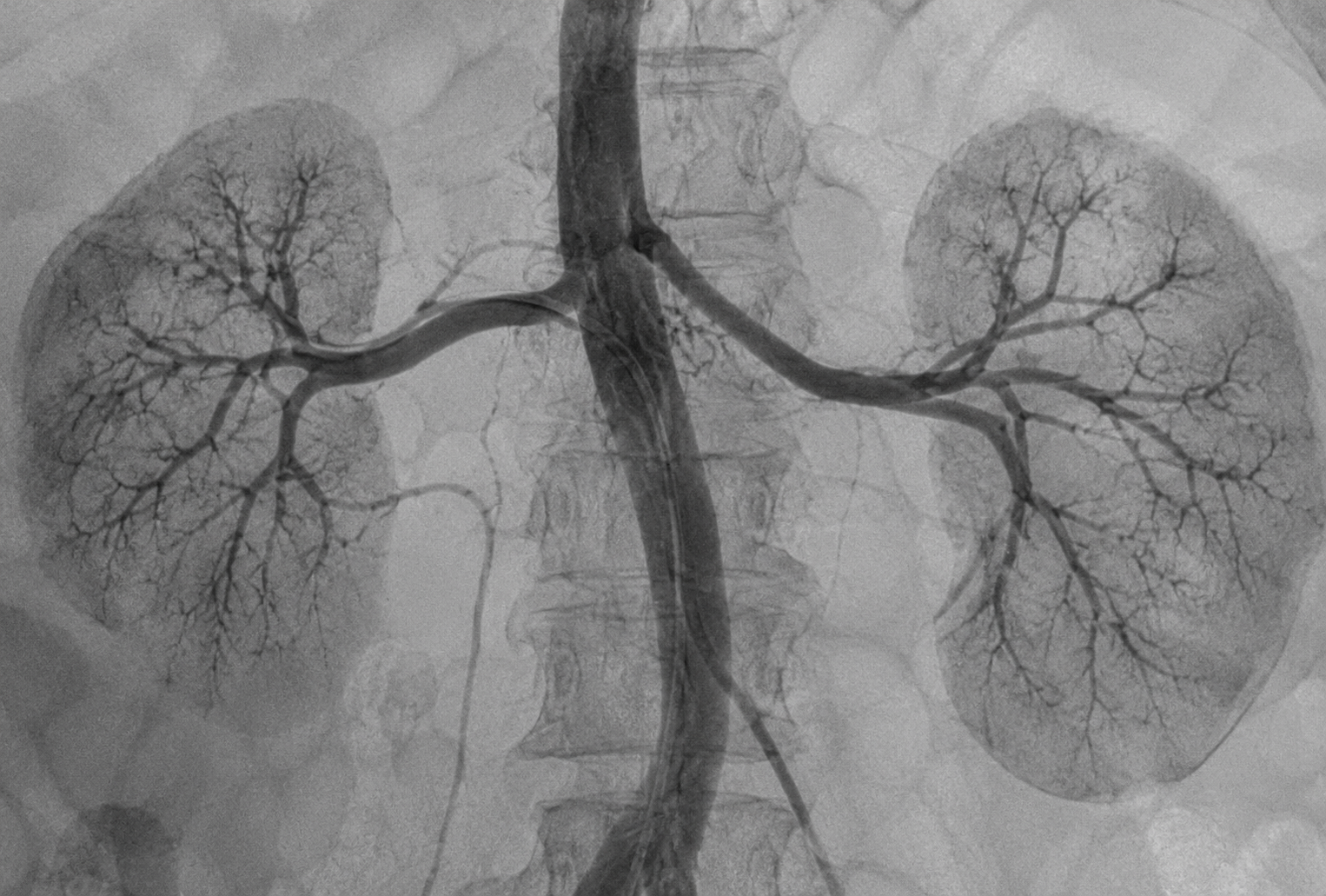
Renal transplantation, also known as kidney transplantation, is a surgical procedure in which a healthy donor kidney is placed into a recipient with advanced kidney failure. It is an important treatment option for selected patients with end-stage kidney disease.
The transplant process involves detailed medical evaluation, donor assessment, surgical planning and long-term follow-up. Dr. Akash Shinde has clinical experience in renal transplant operations, donor work-up, surgical access, vascular anastomoses, graft implantation and post-transplant care.
The kidneys play an essential role in filtering waste products, balancing fluids and maintaining the body’s chemical balance. When kidney function becomes severely reduced, patients may require renal replacement therapy, including dialysis or transplantation.
A kidney transplant may be considered for suitable patients after a detailed assessment of their medical condition and transplant eligibility.
Transplantation requires careful evaluation of both the donor and recipient. This process helps assess compatibility, identify possible medical risks and prepare for surgery.
Depending on the case, the evaluation may include:
Medical history and physical examination
Blood and urine investigations
Kidney function assessment
Blood group and tissue compatibility testing
Imaging studies
Evaluation of surgical fitness
Review by the transplant team
The final decision depends on the findings and applicable transplant protocols.
Kidney transplantation involves placing the donor kidney in the recipient’s lower abdominal region. The surgeon connects the blood vessels of the donor kidney to the recipient’s blood vessels and establishes a connection between the ureter and bladder.
Important surgical steps include:
Donor Nephrectomy
Donor nephrectomy involves removing a kidney from a suitable donor. The surgical approach is selected according to the donor’s anatomy and clinical requirements.
Vascular Anastomosis
The donor kidney’s blood vessels are connected to the recipient’s blood vessels to establish circulation to the transplanted organ.
Graft Implantation
The donor kidney is placed in the recipient and the required vascular and urinary connections are completed.
After transplantation, patients require close medical monitoring. Follow-up helps assess graft function, monitor recovery and identify possible complications.
Care may involve:
Regular kidney function testing
Monitoring urine output
Medication management under the transplant team
Follow-up appointments
Monitoring for infection or rejection
Guidance regarding lifestyle and long-term care
Patients must follow their transplant team’s instructions and attend scheduled reviews.
Renal transplantation requires coordination between surgeons, nephrologists, anaesthetists and other healthcare professionals. Each transplant case is planned according to donor suitability, recipient health and surgical considerations.
Consult Dr. Akash Shinde for consultation and surgical guidance related to renal transplantation and kidney transplant procedures.
Book your consultation today and take the next step toward better health.